
Understanding Low back Pain
Causes, Assessment, and Evidence-Based Management
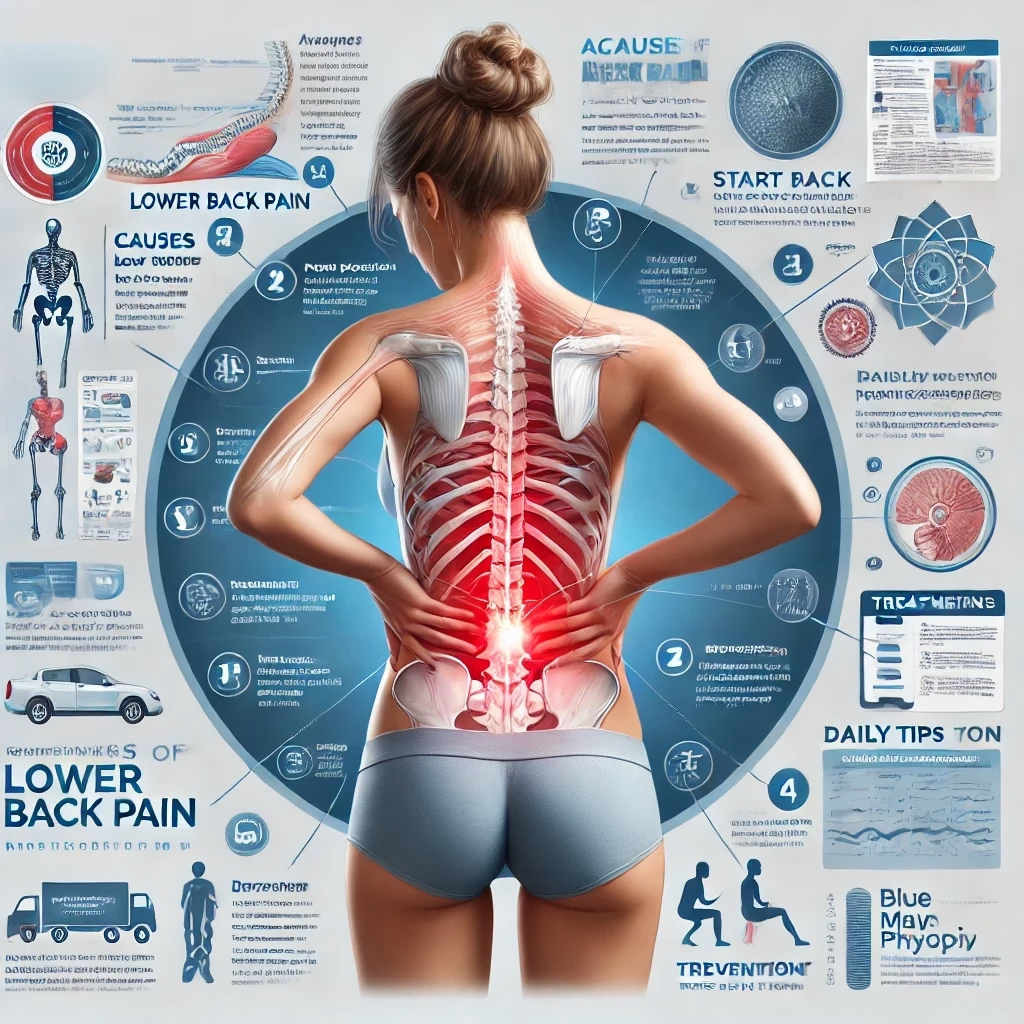
Low back pain is one of the most common reasons people seek physiotherapy. Although it can be worrying and disruptive, most low back pain is not serious and improves with the right care.
At Blue Maya Physio Clinic, we regularly help patients understand, manage, and recover from low back pain using evidence-based physiotherapy. Therefore, this guide explains what low back pain is, why it matters, and how we manage it safely and effectively.
What Is Low Back Pain?
Low back pain refers to pain or stiffness in the area between the lower ribs and the buttocks. It may be:
Acute – lasting a few days to weeks
Chronic – lasting longer than 12 weeks
Low back pain is extremely common. In fact, around one in five adults in the UK experience it at any given time, and most people will have at least one episode during their lifetime.
Importantly, the majority of people recover within a few weeks, especially when they stay active and receive appropriate physiotherapy care.
Why Low Back Pain Matters
Low back pain can affect:
Work and productivity
Sleep quality
Exercise and daily activities
Mood and confidence
At Blue Maya Physio Clinic, we understand how frustrating ongoing back pain can be. Therefore, our aim is not only to reduce pain but also to restore movement, confidence, and long-term back health.
We follow the latest National Institute for Health and Care Excellence (NICE) guidelines to ensure your care is safe, effective, and up to date.
How We Assess Low Back Pain
Your first physiotherapy appointment includes a thorough assessment, not just a quick check of symptoms.
Our assessment includes:
Detailed medical and pain history
Movement, posture, and strength assessment
Neurological screening (where appropriate)
Identification of aggravating and relieving factors
In addition, we may use tools such as the STarT Back Screening Tool to assess your risk of persistent pain. This helps us tailor treatment specifically to your needs.
Do I Need an X-ray or MRI?
In most cases, no.
According to NICE guidelines, imaging such as X-rays or MRI scans is only recommended if:
There are serious symptoms (e.g. progressive leg weakness, bladder or bowel problems)
The result would change your treatment plan
Therefore, unnecessary scans are usually avoided.
How Physiotherapy Helps Manage Low Back Pain
Stay Active (Not Resting Too Much)
Although rest may feel helpful at first, research shows that staying active leads to better recovery. Therefore, we encourage safe movement as early as possible.
Exercise-Based Rehabilitation
Exercise is one of the most effective treatments for low back pain. For example:
Walking programs
Stretching and mobility exercises
Strengthening exercises for the spine and hips
We design personalised exercise plans, rather than generic routines.
Manual Therapy
In addition, hands-on treatments such as:
Joint mobilisation
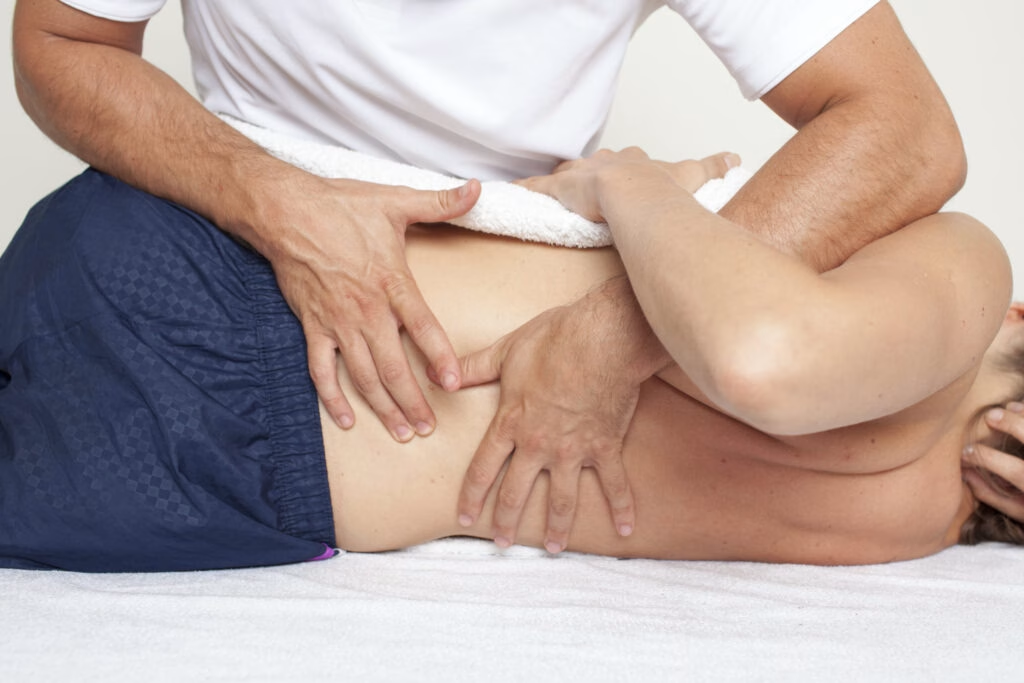
Soft tissue massage
may help reduce pain and improve movement, especially in the early stages.
Psychological Support (When Needed)
For people with long-term or recurrent back pain, emotional factors can play a role. Therefore, approaches such as cognitive behavioural therapy (CBT) may be recommended alongside physiotherapy.
Medication Advice
If pain relief is needed:
NICE suggests NSAIDs (e.g. ibuprofen) may be considered cautiously
Paracetamol alone is not recommended for low back pain
Opioids are generally not advised, especially for chronic pain
For this reason, we prioritise non-drug treatments whenever possible.
Everyday Tips to Protect Your Lower Back
In addition to physiotherapy, simple daily habits can help:
Sit and stand with relaxed, upright posture
Take regular breaks from prolonged sitting
Lift objects by bending your knees, not your back
Keep moving with activities such as walking or swimming
Overall, movement builds resilience and confidence in your back.
When to Seek Further Medical Help
Although most low back pain is not serious, you should seek urgent medical advice if you experience:
Severe or worsening pain
Numbness or weakness in your legs
Loss of bladder or bowel control
Unexplained weight loss or fever
These may be red flags requiring medical investigation before physiotherapy.
Low Back Pain Treatment at Blue Maya Physio Clinic
At Blue Maya Physio Clinic, we believe effective low back pain treatment starts with:
Careful assessment
Honest, clear explanations
Individualised rehabilitation
Evidence-based decision-making
Ultimately, our goal is to help you move confidently, safely, and without fear.