
Running Physio Clinic

Summer Running Goals: Why Most Runners Don’t Finish 5K, 10K or Half Marathon—and How to Stay Injury-Free

As summer approaches, many individuals set goals to complete a 5K, 10K, or half marathon. While motivation is high at the start, a significant proportion of recreational runners fail to complete their training programmes.

This is not simply due to lack of discipline.
Evidence suggests that injury risk, poor training progression, and inadequate recovery strategies are the primary reasons for dropout.

Running Physio Clinic

What Does the Evidence Say?

Research consistently shows that:

  • 30–50% of recreational runners sustain an injury each year (van Gent et al., 2007; Videbæk et al., 2015)
  • The most common causes include:
    • Sudden increase in training load
    • Poor biomechanics
    • Muscle weakness and imbalance
  • Overuse injuries such as patellofemoral pain, Achilles tendinopathy, and IT band syndrome are highly prevalent

Importantly, many of these injuries are preventable with early assessment and targeted intervention.

Lorem ipsum dolor sit amet, consectetur adipiscing elit. Ut elit tellus, luctus nec ullamcorper mattis, pulvinar dapibus leo.

Why Do Runners Drop Out?

From a clinical perspective, runners often stop due to:

1. Training Load Errors

Rapid increases in mileage or intensity exceed the body’s capacity to adapt.

2. Biomechanical Inefficiencies

Altered movement patterns increase stress on specific tissues.

3. Inadequate Strength and Conditioning

Weakness in key muscle groups (e.g., gluteals, calf complex) contributes to injury risk.

4. Poor Recovery Strategies

Lack of structured recovery leads to cumulative fatigue and overload.

🧠 The Role of Prehabilitation

Current sports medicine literature emphasises prehabilitation (preventive rehabilitation) as a key strategy in reducing injury risk.

Prehabilitation includes:

  • Movement screening
  • Strength and conditioning
  • Education on load management

Studies suggest that targeted exercise programmes can significantly reduce the incidence of running-related injuries (Lauersen et al., 2014).

Evidence-Based Running Package

🔍 1. Pre-Injury Screening (Running MOT)

A comprehensive assessment including:

  • Functional movement analysis
  • Joint mobility and muscle strength testing
  • Identification of asymmetries and risk factors

👉 This aligns with best practice in early risk identification.


🩺 2. Physiotherapy Consultation

A personalised clinical assessment to:

  • Address existing symptoms
  • Optimise biomechanics
  • Develop an individualised training strategy

👉 Tailored interventions are shown to improve outcomes compared to generic programmes.


💆 3. Sports Massage (2 Sessions)

Massage therapy may:

  • Improve perceived recovery
  • Reduce muscle stiffness
  • Enhance short-term performance readiness

(Weinert-Aplin et al., 2022)


🎓 4. Education Session on Running

Education is a critical but often overlooked component.

We cover:

  • Load management principles (e.g., gradual progression)
  • Warm-up and recovery protocols
  • Injury warning signs

👉 Education improves adherence and reduces injury risk.

🎯 Who Will Benefit?

This programme is particularly useful for:

  • Beginner runners preparing for a 5K or 10K
  • Individuals progressing to longer distances (half marathon)
  • Runners with previous injuries
  • Recreational athletes seeking structured guidance

🏁 From Intention to Completion

Completing a running goal is not just about motivation—it is about preparation, progression, and prevention.

An evidence-based approach can:

  • Reduce injury risk
  • Improve training consistency
  • Increase the likelihood of completing your event

📍 Book Your Running MOT

If you are planning to run this summer, the most effective strategy is to prepare before problems arise.

👉 Contact Blue Maya Physio Clinic to book your Running MOT Clinic Package
👉 Available across our clinics

📚 References (Harvard Style)

  • Lauersen, J.B., Bertelsen, D.M. and Andersen, L.B. (2014). The effectiveness of exercise interventions to prevent sports injuries: a systematic review and meta-analysis. British Journal of Sports Medicine.
  • van Gent, R.N. et al. (2007). Incidence and determinants of lower extremity running injuries. British Journal of Sports Medicine.
  • Videbæk, S. et al. (2015). Incidence of running-related injuries per 1000 hours of running. Sports Medicine.
  • Weinert-Aplin, R.A. et al. (2022). The effects of massage on sports performance and recovery.
Understanding and Managing Lower Back Pain

Understanding Low back Pain

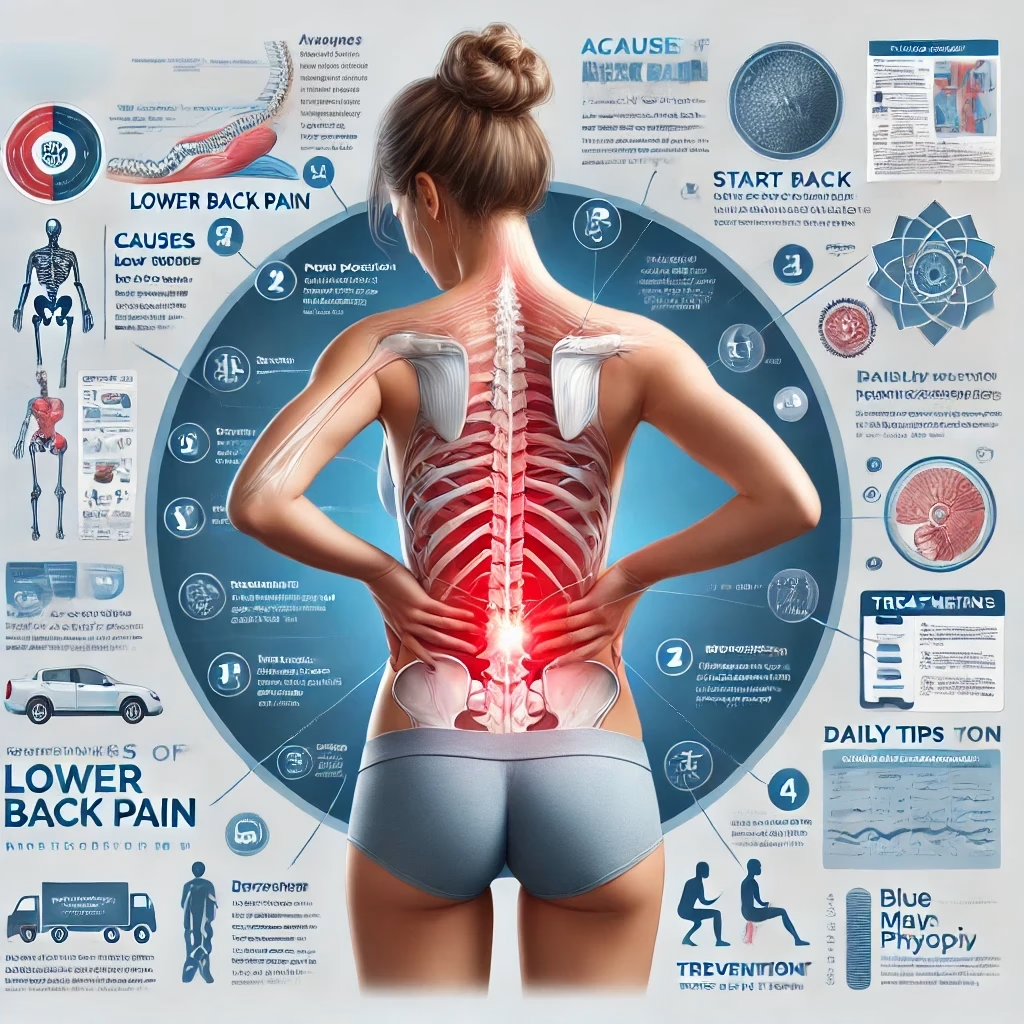
Causes, Assessment, and Evidence-Based Management

Low back pain is one of the most common reasons people seek physiotherapy. Although it can be worrying and disruptive, most low back pain is not serious and improves with the right care.


At Blue Maya Physio Clinic, we regularly help patients understand, manage, and recover from low back pain using evidence-based physiotherapy. Therefore, this guide explains what low back pain is, why it matters, and how we manage it safely and effectively.

What Is Low Back Pain?

Low back pain refers to pain or stiffness in the area between the lower ribs and the buttocks. It may be:

  • Acute – lasting a few days to weeks

  • Chronic – lasting longer than 12 weeks

Low back pain is extremely common. In fact, around one in five adults in the UK experience it at any given time, and most people will have at least one episode during their lifetime.

Importantly, the majority of people recover within a few weeks, especially when they stay active and receive appropriate physiotherapy care.

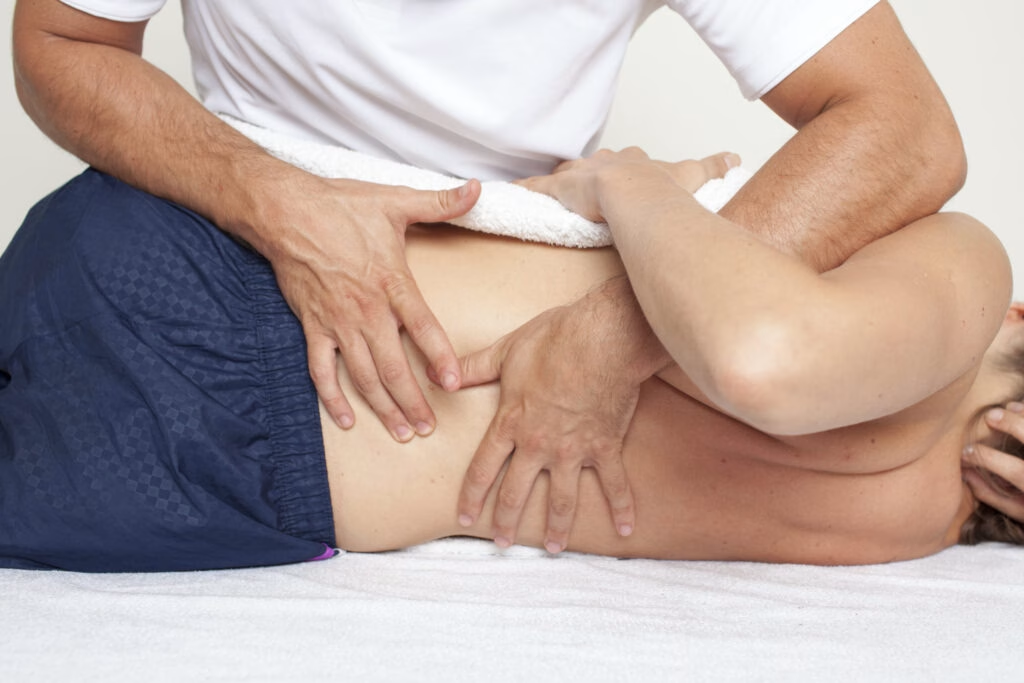
Physiotherapist assessing low back pain during a private clinic consultation

Why Low Back Pain Matters

Low back pain can affect:

  • Work and productivity

  • Sleep quality

  • Exercise and daily activities

  • Mood and confidence

At Blue Maya Physio Clinic, we understand how frustrating ongoing back pain can be. Therefore, our aim is not only to reduce pain but also to restore movement, confidence, and long-term back health.

We follow the latest National Institute for Health and Care Excellence (NICE) guidelines to ensure your care is safe, effective, and up to date.

How We Assess Low Back Pain

Your first physiotherapy appointment includes a thorough assessment, not just a quick check of symptoms.

Our assessment includes:

  • Detailed medical and pain history

  • Movement, posture, and strength assessment

  • Neurological screening (where appropriate)

  • Identification of aggravating and relieving factors

In addition, we may use tools such as the STarT Back Screening Tool to assess your risk of persistent pain. This helps us tailor treatment specifically to your needs.

Do I Need an X-ray or MRI?

In most cases, no.

According to NICE guidelines, imaging such as X-rays or MRI scans is only recommended if:

  • There are serious symptoms (e.g. progressive leg weakness, bladder or bowel problems)

  • The result would change your treatment plan

Therefore, unnecessary scans are usually avoided.

How Physiotherapy Helps Manage Low Back Pain

Stay Active (Not Resting Too Much)

Although rest may feel helpful at first, research shows that staying active leads to better recovery. Therefore, we encourage safe movement as early as possible.

Exercise-Based Rehabilitation

Exercise is one of the most effective treatments for low back pain. For example:

  • Walking programs

  • Stretching and mobility exercises

  • Strengthening exercises for the spine and hips

We design personalised exercise plans, rather than generic routines.

Manual Therapy

In addition, hands-on treatments such as:

  • Joint mobilisation

  • Soft tissue massage

may help reduce pain and improve movement, especially in the early stages.

Psychological Support (When Needed)

For people with long-term or recurrent back pain, emotional factors can play a role. Therefore, approaches such as cognitive behavioural therapy (CBT) may be recommended alongside physiotherapy.

Medication Advice

If pain relief is needed:

  • NICE suggests NSAIDs (e.g. ibuprofen) may be considered cautiously

  • Paracetamol alone is not recommended for low back pain

  • Opioids are generally not advised, especially for chronic pain

For this reason, we prioritise non-drug treatments whenever possible.

Everyday Tips to Protect Your Lower Back

In addition to physiotherapy, simple daily habits can help:

  • Sit and stand with relaxed, upright posture

  • Take regular breaks from prolonged sitting

  • Lift objects by bending your knees, not your back

  • Keep moving with activities such as walking or swimming

Overall, movement builds resilience and confidence in your back.

When to Seek Further Medical Help

Although most low back pain is not serious, you should seek urgent medical advice if you experience:

  • Severe or worsening pain

  • Numbness or weakness in your legs

  • Loss of bladder or bowel control

  • Unexplained weight loss or fever

These may be red flags requiring medical investigation before physiotherapy.

Low Back Pain Treatment at Blue Maya Physio Clinic

At Blue Maya Physio Clinic, we believe effective low back pain treatment starts with:

  • Careful assessment

  • Honest, clear explanations

  • Individualised rehabilitation

  • Evidence-based decision-making

Ultimately, our goal is to help you move confidently, safely, and without fear.

Click below to know our Price and Offers

Book a Low Back Pain Assessment in South London

If you’re experiencing low back pain and unsure what to do next, we’re here to help.

👉 Book your physiotherapy assessment today: